Understanding High Blood Pressure in Cats
New York, United States - June 15, 2026 / Hudson Animal Hospital /
High blood pressure in cats is far more common than most owners expect, and it frequently develops without any obvious warning signs. Hudson Animal Hospital, a veterinary clinic serving New York, describes what pushes blood pressure up and how this condition can affect the body. Regular veterinary checkups can catch conditions like feline hypertension before they progress and are an important part of keeping pets healthy.
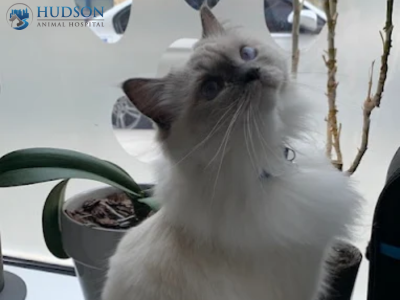
Understanding High Blood Pressure in Cats
Systemic hypertension in cats occurs when blood moves through the arteries with more force than the body can comfortably handle. That sustained pressure places stress on delicate tissues throughout the body, including the cat’s eyes and kidneys.
One of the challenges with this condition is that many affected cats appear completely normal in the early stages. A cat may eat and behave as they usually do while internal damage spreads. Veterinarians can identify elevated readings before symptoms appear if the cat goes for routine wellness exams.
Recognizing Hypertension Signs in Cats
As feline hypertension progresses, the cat may begin showing physical and behavioral changes. High blood pressure in cats can affect multiple body systems, and the signs vary from one animal to the next.
Some commonly observed indicators of high blood pressure include:
Vision deterioration: Sudden blindness or dilated pupils caused by retinal detachment
Disorientation: Difficulty with balance or coordination without an obvious cause
Behavioral shifts: Withdrawal or restlessness in a cat that previously had a stable temperament
Increased water intake: Drinking and urinating more frequently than usual
None of these signs alone confirms a diagnosis, but any noticeable change in a cat's behavior or physical condition is worth discussing with a veterinarian.
What Can Elevate Blood Pressure in Cats?
In many cases, feline hypertension develops as a secondary condition linked to an underlying disease. Chronic kidney disease is one of the most frequently associated contributors, as this organ’s declining function can cause blood pressure to rise over time.
An overactive thyroid gland is another common factor, along with heart disease and obesity. Some cats, however, develop what is known as idiopathic hypertension, where no underlying cause can be identified despite thorough evaluation.
How Veterinarians in New York Diagnose Feline Hypertension
As a trusted provider of feline veterinary care in New York, Hudson Animal Hospital uses blood pressure monitoring alongside additional diagnostic tools to evaluate suspected hypertension. To check for high blood pressure in cats, veterinarians typically have to capture accurate readings by using a small cuff placed around the leg or tail and a Doppler device.
A systolic blood pressure reading consistently above 160 mmHg generally indicates that further evaluation is needed. Bloodwork and imaging may follow to identify any contributing conditions.
Depending on the problem, the cat’s treatment plan may target organ damage or a condition while administering antihypertensive medication. Dietary adjustments, including supporting healthy hydration, also play a role in supporting a cat's cardiovascular health.
About Hudson Animal Hospital in New York
Hudson Animal Hospital provides professional veterinary services to cat owners across New York, with a focus on thorough evaluations and individualized care. To learn more about high blood pressure in cats or other conditions that may not produce obvious symptoms in pets at first, call (212) 706-4088.


Contact Information:
Hudson Animal Hospital
238 W 61st St
New York, NY 10023
United States
Kyoko Yoshida
(212) 706-4088
https://www.hudsonanimalhospitalnyc.com/


Original Source: https://www.hudsonanimalhospitalnyc.com/services/cats/blog/high-blood-pressure-cats/
