Plumbers in Evansville, IN, discuss some easy ways to help prevent clogged toilets.
Evansville, United States - September 22, 2026 / Bud’s Plumbing & Repair Service /
Ways to Help Prevent Toilet Clogs
Most toilet clogs are the result of what has gone down the drain, which means many of them can be avoided. Changing a few habits in the bathroom lowers the chance of a clogged toilet and the cleanup or repair that follows. This post discusses ways to help prevent toilet clogs, including avoiding items that should not be flushed, using less toilet paper, and preventing sewer line clogs.
Avoid Flushing the Wrong Items
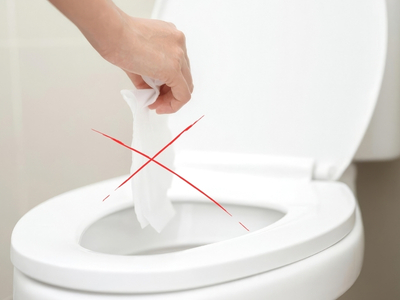 Toilet paper is the only material that belongs in a toilet along with human waste. Everything else either fails to break apart in water or is too bulky to pass through the drain, and it can lodge in the trap or the line and start a clog. Items that should stay out of the toilet include paper towels, tissues, wipes, feminine hygiene products, cotton swabs, cotton rounds, hair, and dental floss.
Wipes deserve particular mention. Many are sold with flushable printed on the package, but they hold together in water rather than breaking down, and they are a frequent cause of both a clogged toilet and a clogged sewer line. A wastebasket kept within reach of the toilet makes the alternative easy, and telling children and houseguests what goes in the trash prevents a fair number of clogs before they start.
Use Less Toilet Paper
 The amount of toilet paper flushed at one time matters too, even though the paper itself is safe to flush. A thick mass of paper sent down at once can hang up in the trap or the drain line instead of clearing it, and that is enough to create a toilet clog on its own.
Using less toilet paper is the simplest adjustment. Another option is to flush more than once, sending a smaller amount of paper down with each flush instead of putting all of it in the bowl and flushing a single time. This habit is especially useful in an older house with drain lines that already carry some buildup, and in a household where young children tend to use more paper than the job requires.
Prevent Sewer Line Clogs
Every drain in the house feeds into the sewer line, so problems there work their way back to the fixtures. A clogged sewer line can produce toilet clogs, weak or incomplete flushing, and toilet backups, which means preventing sewer line clogs is also a way of preventing toilet problems.
Keeping the wrong items out of the toilet is part of that. So is keeping grease, food scraps, and other debris out of the plumbing rather than rinsing them down a drain. Grease can be poured into a container and thrown away once it cools, and food scraps belong in the trash or a compost bin. Drain screens placed in sink and shower drains catch hair, food particles, and other debris, which can then be emptied into the garbage rather than carried down the pipe. When a clog does occur, a plunger is often enough to unclog the toilet. Clogs that keep returning are a different situation, though, and unclogging the toilet repeatedly only postpones the problem. A plumber can inspect the drain and sewer line, clear what has collected in it, and handle any toilet repair the fixture needs. Scheduling clogged toilet repair at that point is less disruptive than dealing with a backup later.
About Bud's Plumbing & Repair Service
Bud's Plumbing & Repair Service is a plumbing, water treatment, and restoration company that has served the Evansville area since 1920. They offer honest second opinions, accurate diagnosis, and cost-effective solutions. Call for clogged toilet repair services in Evansville, IN.


Contact Information:
Bud’s Plumbing & Repair Service
1230 E Michigan St
Evansville, IN 47711
United States
Mark Corn
(812) 618-9638
https://budsplumbing.com/
